What Is a Digital Khata? Credit Ledgers Explained for Shop Owners
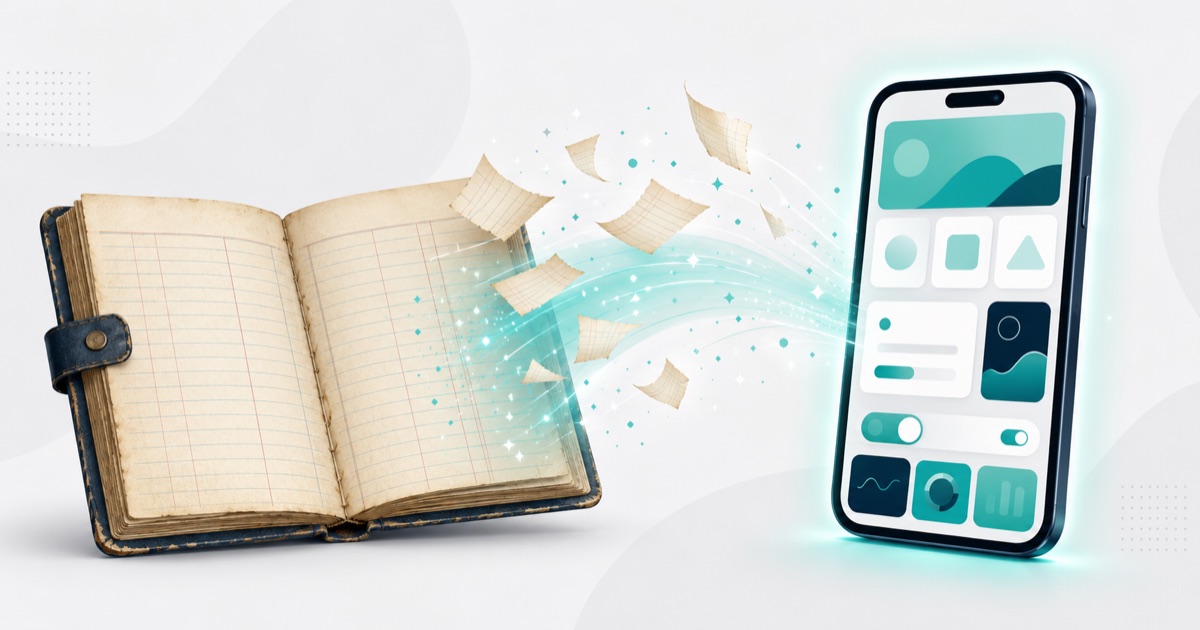
A digital khata is an electronic version of the traditional shop credit ledger: a record of what each customer owes you, every credit sale they made, and every payment they gave back. Instead of a paper notebook, the balance for each customer is calculated automatically and is available on any device, so nothing is forgotten and nothing is disputed. If your shop lets regular customers "pay later," a digital khata is the simplest way to protect that money.
Where the Khata Comes From
The word khata comes from South Asia, where it means "account" or "ledger." For generations, shopkeepers in Pakistan, India, and Bangladesh have kept a khata — a physical notebook with one page per customer. When a trusted regular buys groceries, fabric, or supplies on credit (called udhaar), the shopkeeper writes the amount in that customer's page. When the customer pays something back, that gets written down too.
The concept is not unique to South Asia. Corner shops in Latin America keep a "fiado" list, small grocers in Africa and Southeast Asia run informal tabs, and neighborhood stores everywhere extend credit to regulars. The khata is simply the oldest and most widespread form of customer credit management — and it works, until it doesn't.
Why Paper Khata Books Fail
Paper ledgers break down in predictable ways as a shop grows:
- Lost or damaged books. One misplaced notebook, one spill, one fire — and every balance you were owed is gone with no backup.
- Disputes with customers. "I already paid that" is hard to argue against when your only evidence is your own handwriting. Without a dated, itemized history, disagreements damage relationships and often end with you absorbing the loss.
- Forgotten balances. Busy days mean entries get skipped. A credit sale you forgot to write down is money you will never collect.
- Arithmetic errors. Running totals added by hand drift over time. Small mistakes compound into real losses.
- No visibility. You cannot quickly answer "how much total credit is outstanding across all customers?" — the number that actually tells you how exposed your business is.
What a Digital Khata Does Differently
A digital khata keeps the same familiar structure — one account per customer — but the software does the bookkeeping:
- Per-customer running balance, updated automatically every time you record a credit sale or a payment.
- Complete payment history with dates and amounts, so any dispute is settled by looking at the record together.
- Automatic totals — see total outstanding credit across all customers at a glance.
- No lost books — records live in the software, not in a notebook behind the counter.
Paper Khata vs Digital Khata
| Aspect | Paper khata | Digital khata |
|---|---|---|
| Balance calculation | Manual, error-prone | Automatic running total |
| If the book is lost | All records gone | Records stay in the software |
| Dispute resolution | Your word vs theirs | Dated, itemized history |
| Total outstanding credit | Hours of adding up pages | Visible instantly |
| Connection to sales | Separate from billing | Can post directly from checkout |
Who Needs a Digital Khata?
Any business that lets regulars buy now and pay later benefits from one:
- Corner shops and grocers running weekly or monthly tabs for neighborhood families
- Tailors and repair shops taking partial payment up front and the rest on delivery
- Wholesalers extending trade credit to retailers
- Pharmacies, hardware stores, and general stores with long-standing customer relationships
If you recognize your shop in that list, a purpose-built tool like khata software replaces the notebook without changing how you work with customers.
Khata Inside Your POS, Not Beside It
A standalone khata app still requires you to enter every credit sale twice — once in your billing system and once in the app. SwiftKhata builds the customer credit ledger directly into the point of sale: when you ring up a sale and the customer chooses to pay later, the amount posts to their khata automatically. Payments recorded against the khata update the balance instantly. The same system also handles inventory, expenses, cash register, and profit & loss reports, so your credit ledger is always consistent with your actual sales.
Frequently Asked Questions
What does "khata" mean?
Khata is a South Asian word for "account" or "ledger." In shops, it refers to the notebook where a shopkeeper records each customer's credit purchases (udhaar) and repayments.
Is a digital khata only for South Asian businesses?
No. Any shop anywhere that extends informal credit to regular customers — tabs, fiado, store credit — is running a khata by another name and can use a digital ledger to track it.
How is a digital khata different from a khata notebook?
A digital khata calculates each customer's running balance automatically, keeps a dated history of every credit sale and payment, cannot be lost like a physical book, and shows your total outstanding credit instantly.
Does SwiftKhata include a digital khata?
Yes. SwiftKhata includes a built-in customer credit ledger connected to the point of sale, so credit sales post to each customer's khata automatically at checkout, alongside inventory, expenses, and reporting.
Stop Trusting a Notebook With Your Money
Every balance in a paper khata is money you are owed — and money you can lose to a misplaced book or a forgotten entry. SwiftKhata gives you a digital khata built into a full POS, with a first month completely free and no credit card required. Create your free account or see pricing — there is also a free plan that includes every feature.